In Page Content
- Catch compliance risks early and reduce development rework
- Stop Rework Before It Slows Development
- With Compliance Analysis You Can…
- Make Faster, Earlier Compliance Decisions
- Benefits of Compliance Analysis
- Success stories
- More Ways to Reduce Rework, Complexity and Launch Pressure
- FAQ
- Request a Consultation
Catch compliance risks early and reduce development rework
Give R&D instant compliance insight from the start
100
Countries with FoodChainID Clients
75%
of Top 100 Global Food Companies use FoodChainID Solutions
How it Works
Stop Rework Before It Slows Development
Step 1
Screen recipes early for compliance risks
Catch issues before handoff to reduce rework, avoid delays and keep development moving.
Step 2
Test ingredient changes before reformulation
See likely impacts sooner to avoid dead ends, extra iterations and late-stage surprises.
Step 3
Equip R&D with self-service compliance insight
Reduce back-and-forth with regulatory teams, improving speed, confidence and decision quality.
Step 4
Check multiple target markets in one assessment
Make market-ready decisions upstream and cut delays from separate manual market reviews.
With Compliance Analysis You Can…
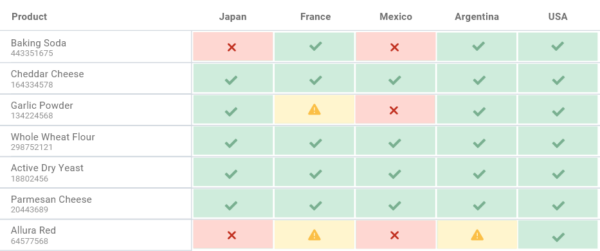
Evaluate Raw Materials
Evaluate ingredients for regulatory compliance based on usage across hundreds of markets.
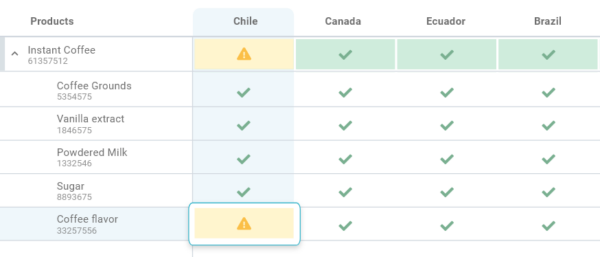
Evaluate Entire Recipes
Evaluate an entire recipe based on usage across hundreds of markets for fit and compliance.
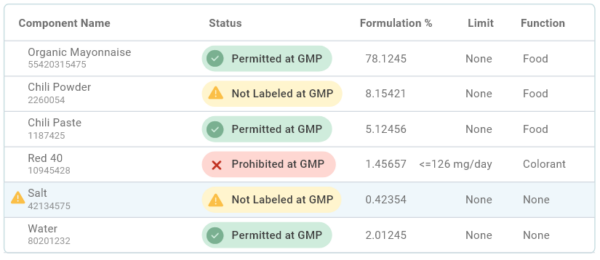
Run “What-if” Analyses
Identify changes that can be made to achieve improved alignment and compliance outcomes.
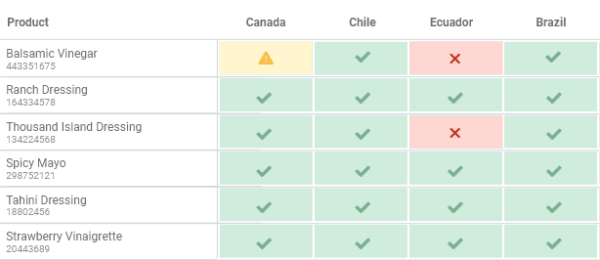
Run Multi-Recipe Analyses
Automatically scan multiple products at once for compliance across hundreds of markets.
Manage Changes
Monitor for issues around active products and perform impact analysis on your active or work in progress (WIP) products.
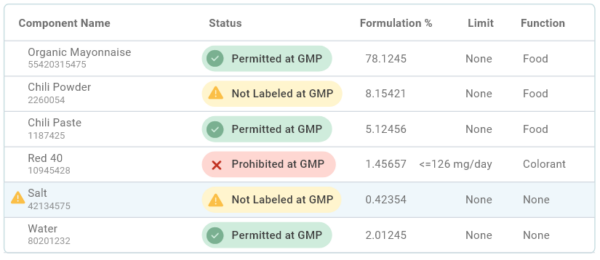
Make Faster, Earlier Compliance Decisions
See how teams can assess products across markets, review ingredient changes and spot compliance issues earlier to avoid delays and costly reformulation.
How We Help
Benefits of Compliance Analysis
Compliance screening tool
Catch issues earlier and guide smarter product decisions
Compliance issues found too late create costly rework
Compliance assessment tool
Move faster with compliance insight at your fingertips
Break the dependency of slow, manual compliance reviews
Multimarket assessment
Evaluate market fit earlier and guide development faster
No more market-by-market compliance reviews holding development back
Global ingredient validator
Make ingredient changes with more confidence and control
Put an end to last-minute reformulation triggered by late-stage ingredient surprises
Success stories

“I think it was really clear and seems easy to use. It will be very useful and will save me time when doing assessments.”
– Mondelēz International
Solutions
For Mondelēz, Compliance Analysis was integrated with SAP PLM to enable structured data exchange, compliance analysis, cited results and one-click publishing of outcomes back into PLM specifications.
Extend Your Capabilities
More Ways to Reduce Rework, Complexity and Launch Pressure
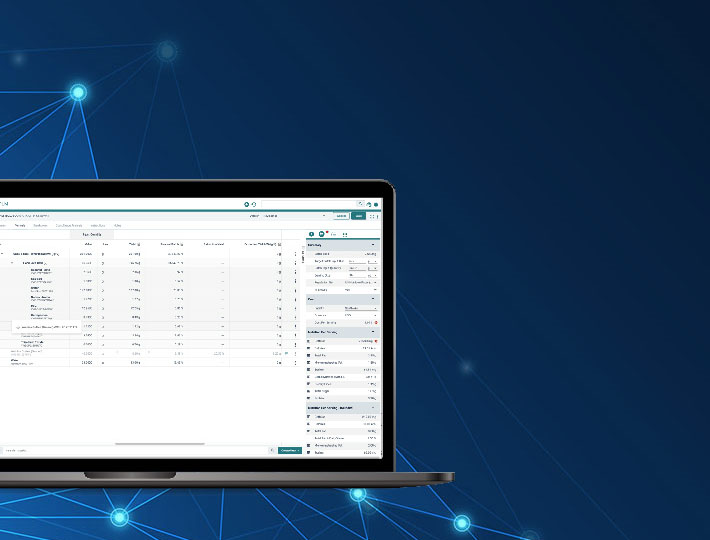
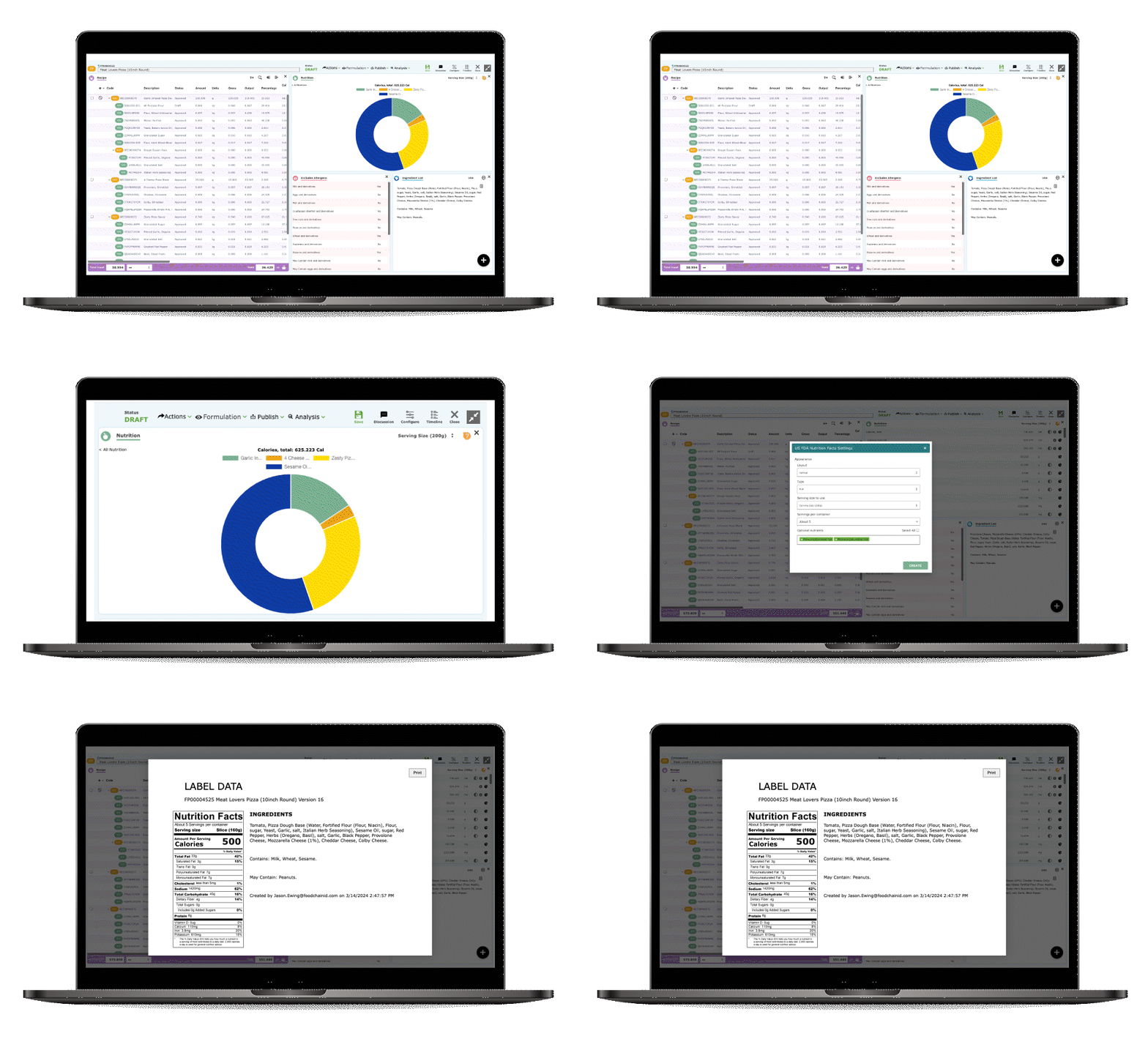
FoodChain ID understands the drag of disconnected tools, manual work and issues found too late. Our Operational Core Solutions support product development workflows, while our Specialized Intelligence Modules add focused insight.

FAQ
Compliance Analysis helps teams evaluate whether products, ingredients or formulations align with relevant market rules and requirements. It is important because it gives R&D teams earlier visibility into potential issues, helping teams avoid late-stage surprises, reduce rework and make better product decisions sooner. Organizations often complement this process with regulatory and scientific affairs consulting to address complex compliance questions.
Compliance Analysis is available as a stand-alone solution, and it can also be added as an optional Specialized Intelligence Module for FoodChain ID’s Recipes & Specifications and Formulation for PLM. It gives food and beverage teams flexibility to access earlier compliance insight in the way that best fits their systems and workflows. Broader digital transformation initiatives can be supported through digital consulting services.
No. Compliance Analysis gives Product Development teams usable compliance insight earlier, helping them make better decisions without manually interpreting every market rule.
Compliance Analysis uses product and ingredient information to assess likely compliance outcomes against relevant market rules. In practice, teams need enough structured product data to evaluate recipes, ingredients and target markets so they can get useful insight earlier in development. Accurate labeling and claim information can also support activities such as product and label certification.
Compliance Analysis helps reduce risk by identifying potential issues earlier, before they trigger delays, rework or costly late-stage changes. That gives teams a better chance to address problems sooner and move forward with greater confidence. Specialized support from regulatory experts can further strengthen decision-making when requirements are complex or evolving.
No. Compliance Analysis is valuable any time Product Development teams need earlier compliance visibility, whether they are developing for one market, comparing markets or evaluating product changes.
No. Compliance Analysis is meant to reduce manual checks, repeated handoffs and avoidable reformulation work, so R&D teams spend less time reworking projects and more time moving them forward.