Unify Recipe, Spec and Supplier Data for Faster Development
Give R&D one trusted source for product data
75%
of Top 100 Food Companies Use FoodChain ID
How it Works
Stop Rework Caused by Disconnected Data
Step 1
Centralize recipe, spec and supplier data
One trusted source equips R&D teams to stop rechecking and start moving forward.
Step 2
See recipe impacts as changes happen
Keep development at full speed with always-on visibility into cost, allergens, nutrition and key product data.
Step 3
Collaborate with suppliers in one workflow
Reduce back and forth delays by collecting supplier data in a structured, easy-to-use format.
Step 4
Track changes with version control built in
Prevent confusion and duplicate work with easier tracking of updates, approvals and past change.
See Product Data Flow in a Connected System
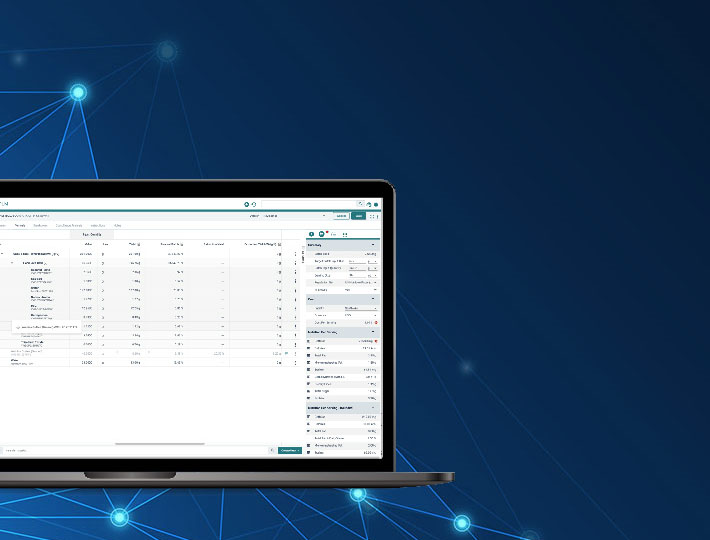
Recipes & Specifications brings recipe, spec and supplier data into one workflow so R&D can move faster, stay aligned and reduce rework.
Reduce Friction in Recipe Development
Benefits of Recipes & Specifications
Food & Beverage PLM Cloud
No more scattered data sources
Work from one trusted source across development
Real Time Formulation
Make informed decisions faster with immediate product insight
Link every recipe change directly to its cost and allergen impact
Supplier Portal
Collect better data with less manual follow-up
End the cycle of fragmented supplier communication that delays decisions and progress
Product Journey Mapping
Keep teams aligned as products and data change
Remove the burden of tracking changes manually across versions
Success Stories

“What would have taken half a day, we now can do in minutes due to Recipes & Specifications.”
– Quorn
Solution
Recipes & Specifications: Centralized recipe and specification management that supports growth, improves reporting, and gives teams confidence they are working from accurate, up-to-date information.
“[Recipes & Specifications] is seen as the source of truth within our business. The information we hold in the system is critical to the successful development”
– Multinational Fast Casual Restaurant Chain
Solution
Recipes & Specifications: A single source of truth for recipes, specifications, nutrition and allergen data that supports development, compliance and product execution across the business.
Extend Your Capabilities
More Ways to Reduce Rework, Complexity and Launch Pressure
FoodChain ID understands the drag of disconnected tools, manual work and issues found too late. Our Operational Core Solutions support product development workflows, while our Specialized Intelligence Modules add focused insight.

FAQ
Food companies need PLM software to reduce the friction created by scattered product data, disconnected workflows and manual processes. A purpose-built PLM helps teams work faster, stay aligned and manage product information with more consistency and control. Organizations looking to modernize these processes often complement PLM initiatives with digital consulting services.
PLM software for food and beverage supports product development by connecting the data, workflows and teams involved in getting products to market. It helps R&D work with better visibility, stronger change control and fewer delays caused by disconnected systems or manual handoffs. Product teams can also benefit from regulatory and scientific affairs consulting when evaluating market requirements during development.
Yes. Recipes & Specifications is designed to support existing food and beverage product development workflows, helping teams organize and use product data without adding another disconnected process. It integrates naturally with solutions such as Formulation for PLM to streamline formulation and product development activities.
No. Recipes & Specifications is built to reduce manual data entry, scattered files and repeated handoffs so teams can spend less time managing information and more time moving products forward. Teams can further improve productivity by using FoodChain ID Mentor to access contextual guidance throughout the development process.
No. Recipes & Specifications is designed to help teams bring structure to disconnected product data and improve how that information is managed, updated and used over time. As product information becomes more complete, organizations can also strengthen early-stage evaluations through Compliance Analysis.
Recipes & Specifications gives teams a structured way to collect, review and manage supplier information, reducing back-and-forth and making product data easier to use across development. Supplier information can also be centralized through Homologa, helping improve visibility and consistency across supplier management processes.
Yes. Food recipe management software can integrate with PLM systems to help teams connect formulation, specification and related product data more effectively. That supports better workflows, reduces duplicate effort and improves visibility across development. Teams managing packaging-related requirements may also leverage food packaging compliance solutions as part of the product lifecycle process.
Recipes & Specifications is supported by FoodChain ID’s ISO 27001-certified information security practices, helping teams manage product data in a secure, controlled environment.