From Green Claims to Verified Proof: What EmpCo Means for Food Brands - Expanded Edition
July 15
,
2:00 pm
–
3:00 pm BST
From Green Claims to Verified Proof: What EmpCo Means for Food Brands – Expanded Edition
As the EU’s Empowering Consumers Directive (EmpCo) moves closer to enforcement, food and beverage organizations face increasing scrutiny around sustainability claims, traceability, and the evidence required to support them.
Following the strong interest and engagement in our EmpCo webinar earlier this year, we’re pleased to present an expanded second edition. This updated session builds on the foundations covered in May, incorporates questions raised by attendees, and explores emerging challenges around sustainability claim substantiation, supplier verification, and traceability.
Join Dr. Chetan Parmar, Tommaso Ferretti and Emese Van Maanen, our Guest Speaker, as they discuss how organizations can prepare for a more evidence-driven approach to sustainability communications and strengthen claim defensibility ahead of September 2026.
During this session, we’ll explore:
– What EmpCo changes in practice for food brands and consumer-facing sustainability claims
– Where sustainability claim exposure commonly emerges across food and beverage organizations
– How expectations for supplier verification, traceability, and supporting evidence are evolving
– Sustainability labels, regenerative agriculture claims, and substantiation requirements
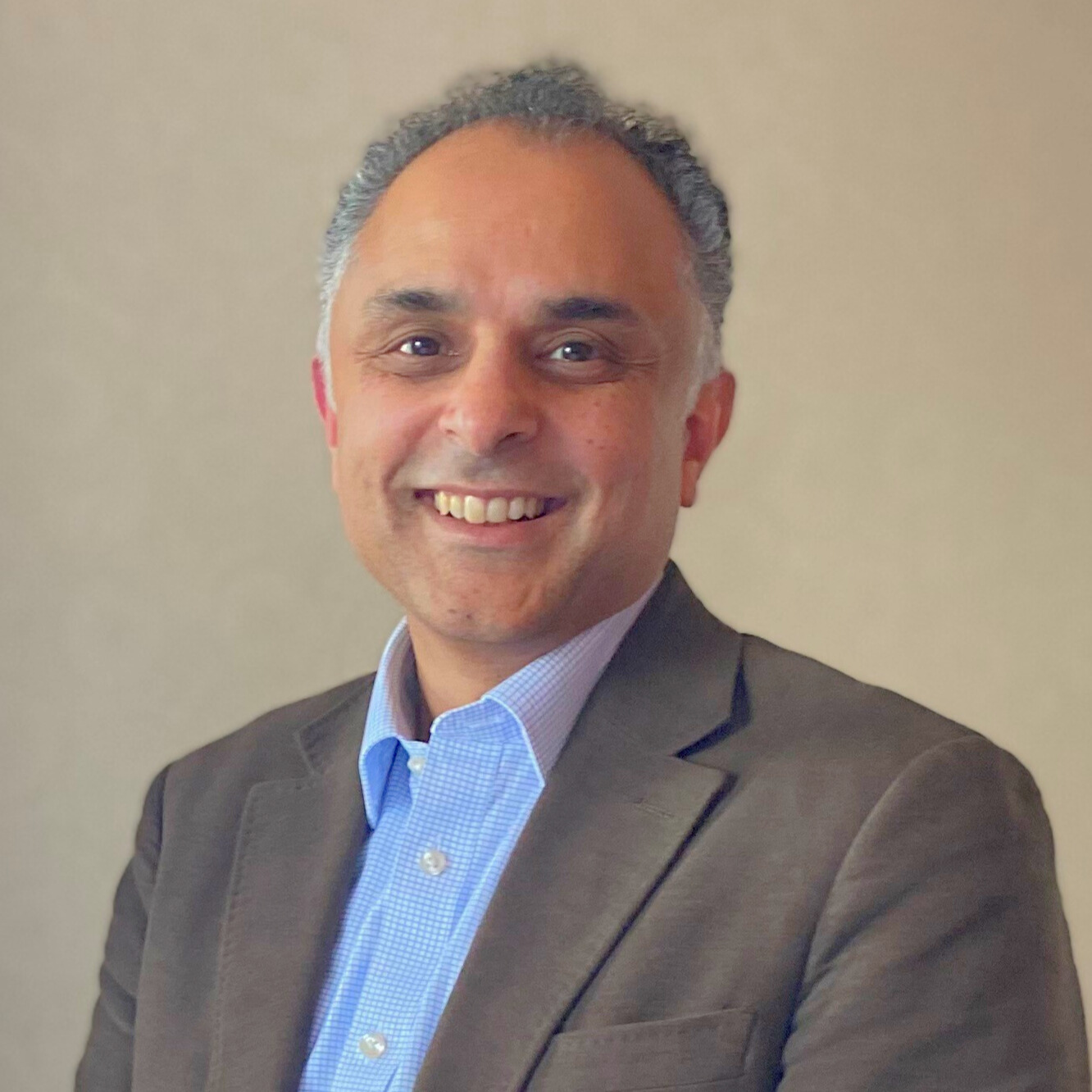
Dr Chetan Parmar Senior Vice President of Technical Services for Europe and Asia, FoodChain ID
Dr. Chetan Parmar has more than 15 years of experience in certification, testing, and sustainability services. He supports organizations in building compliant, transparent, and resilient food supply chains and oversees FoodChain ID’s food safety, sustainability, and product certification services across Europe and Asia.
Tommaso Ferretti International Strategy and Commercial Operations Coordinator, Bioagricert (FoodChain ID)
Tommaso Ferretti works on sustainability certification and services that support more resilient and transparent agri-food supply chains. With over 15 years of experience across international organizations, academia, and industry, his expertise includes voluntary sustainability standards, sustainable sourcing, and global agri-food value chains.
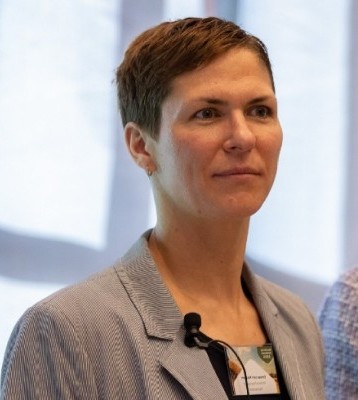
Emese Van Maanen, Guest Speaker
Managing Director, ProTerra Foundation
Managing director with a demonstrated history of working in the responsible commodity trade. Skilled in raw material and supply chain sustainability, foreign languages, food safety, international trade and VAT. Strong business development professional with extensive board experience. Qualified with agricultural engineering and science university degrees with an additional DBA focused in change management.
Register Now
"*" indicates required fields
GFSI is evolving: learn how food & beverage quality leaders can strengthen programs, reduce risk, and drive lasting operational value.
As GFSI requirements continue to evolve, quality leaders are being asked to do more than maintain compliance.
They are expected to strengthen programs, reduce risk, and support operational performance across the business. In this webinar designed for food & beverage
June 4
,
11:00 am
–
12:00 pm CDT
June 4
,
11:00 am
–
12:00 pm USA/Chicago
Building a Stronger Food Safety Program in a Changing GFSI Landscape
GFSI is evolving: learn how food & beverage quality leaders can strengthen programs, reduce risk, and drive lasting operational value.
As GFSI requirements continue to evolve, quality leaders are being asked to do more than maintain compliance.
They are expected to strengthen programs, reduce risk, and support operational performance across the business. In this webinar designed for food & beverage quality professionals, gain perspective on the evolution of GFSI requirements and what those changes have meant for food and beverage manufacturers.
Hear practical lessons from building and sustaining a strong quality program in a real-world facility environment. This session will explore how quality managers can align systems, culture, and execution to meet rising expectations while creating lasting value for their organizations.
Register now to learn how FoodChain ID can help strengthen your quality programs and support evolving GFSI requirements.
As a Quality Manager, you’re the backbone of food safety and compliance, protecting the customer, the business, and the brand. You want to build consistent and sustainable systems to prevent incidents before they happen. You want to act strategically instead of reacting to daily fires, but—oh, no! The testing lab had a literal fire, so it’ll be closed until further notice, and you can’t reach anyone to get an update. Where will you get the pesticide results you need to sign off on the product shipment that’s otherwise ready? Now you’re fielding emails from Finance about the storage cost and Operations about a risky workaround, and you almost forgot the new hire replacing Susan is starting next week.
Quality Managers are constantly spinning several plates in the air. Getting a delayed or unexpected test result can send them crashing down, derailing production schedules and leading to tough conversations about lost products or profits—conversations you don’t have time for. Here are some costly contaminant testing mistakes we can help you avoid, so you can keep those plates spinning.
Mistake #1: Relying on a single one-size-fits-all lab
You might think it’s more efficient to keep all your testing under the same roof. When you’re juggling multiple stakeholders, timelines, and workflows, it makes sense that you’d want to consolidate all of your testing within a single workflow. Instead of multiple accounts for microbiology, pesticides, heavy metals, and GMOs, you get a single point of contact who says they can do it all, giving you one big thing to juggle instead of multiple smaller ones.
But can they actually do it all? Are your lab’s processes actually a good fit for all of your needs? Can they customize testing panels for specific food industry requirements? Do they offer personalized guidance on-demand to help you navigate regulatory changes? Do their turnaround times work with your multifaceted production schedule? Or do you find yourself tolerating unanswered questions and weighing rush fees and compromised accuracy for quicker results? What would happen if your sole lab really did shut down?
Although consolidation can be appealing, it isn’t always the most efficient strategy. A generic commercial lab that handles samples across several industries is more likely to have rigid processes to account for the varied throughput, making it less able to adapt to your fast-paced business. It may be used to microbiological testing but is less well-equipped to handle testing of other contaminants like pesticides and heavy metals. Moreover, once you’ve sent your samples out the door, a one-size-fits-all lab can be a black box, with poor sample tracking and nonexistent communication throughout the process.
When you need a specific kind of support, you need a lab with this specific experience. An accredited lab with deep food industry experience understands the regulatory landscape, retailer-specific requirements, and complex sample matrices. The right lab can also offer expert support, helping you understand regulatory changes, select the correct tests for your product, customize test methods when needed, and interpret results so you can make decisions more quickly and confidently. If something goes wrong, an expert can help you pivot quickly.
Mistake #2: Relying on a lab with inconsistent turnaround and communication
Slow labs and late results can lead to costly business downtime and product waste. For fresh products in particular, every moment of delay increases the risk of spoilage. For example, poultry manufacturers rely on same-day testing turnaround for animal drug residue (ADR) to avoid production‑day shipment delays.
Not all testing labs are created equal. A specialized lab that truly understands the demands of your fast-moving business will have rapid-response capabilities. This means they will be able to offer flexible turnaround options so you can get results faster when needed, including one-day analytical turnaround without sacrificing accuracy. When you ask for on-time delivery performance data, it should consistently exceed 95%. In addition, if things go awry, you’ll need a dedicated account contact who understands your business and can expedite issues before they become crises.
Mistake #3: Relying on non-standardized operational procedures
An efficient lab partner will only take you so far if you don’t have an equally efficient rapid-response strategy that your lean team can consistently implement.
A successful rapid-response strategy requires different turnaround times for different samples, accounting for product type, risk profile, and commercial urgency. For pesticide residue testing, heavy metal analysis, and GMO screening, industry-standard turnaround times can range from five to ten business days. That’s fine for some samples. Other samples may require pesticide and GMO results in as little as one or two days, and it’s important for your strategy to take this into account.
To ensure that your team can execute the strategy consistently without constantly reinventing the wheel, you’ll need to standardize processes with a single testing playbook across all facilities. This will ensure straightforward ordering, consistent sampling technique no matter who is on staff, and clearly defined decision trees if there’s an out-of-specification result. Standardizing protocols will help avoid delays from wrong or inconclusive tests, as well as the stress of improvising action plans.
Summary: What to do to avoid costly contaminant testing mistakes
Instead of relying on the same one-size-fits-all lab for all of your testing, work with an accredited specialized lab with the deep food industry experience necessary for your fast-paced business.
Instead of relying on a lab with slow and inconsistent turnaround times and poor communication, work with a specialized lab that delivers test results in as little as one day when needed, without sacrificing accuracy or customer service.
Instead of relying on ad hoc crisis management, create an efficient rapid-response strategy and standardized workflows that allow everyone on your team to consistently execute the strategy.
How FoodChain ID can help
Over 40 years of proven food industry expertise Instead of being a one-size-fits-all lab, FoodChain ID specializes in contaminants like pesticides, animal drug residue, heavy metals, and GMOs. We have over 40 years of USDA Accreditation and standard-setting GMO expertise.
Industry-leading efficiency We understand that your testing program is the foundation of your success, so we offer industry-leading pesticide screening capabilities, speed, and accuracy to keep your business moving. This includes same-day results on the most analytes in the industry, with over 95% on-time accurate delivery.
Unlimited access to a dedicated support team Our scientific experts help extend the capabilities of a lean QA team. We provide customized proactive guidance on specialized testing for complex food and beverage matrices, helping teams select the right tests, interpret results correctly, and maintain confidence in their programs even when in-house expertise is thin. Specialized testing customers get a response within 24 hours, guaranteed.
Our industry-leading expertise, reliable turnaround times, and high-touch client services can help businesses better plan their testing program, keeping production timelines on track and minimizing compliance risk. For over 40 years, we’ve helped QA teams avoid costly testing mistakes and tough conversations, so you can get your product out the door and keep your business moving.
No more black box. No more testing crises. No more derailed production. We help you navigate complexity strategically and efficiently so you can focus on what you care about—delivering quality products faster.
FoodChain ID is attending Sustainable Foods Summit in Amsterdam
FoodChain ID will be present at the Sustainable Foods Summit Europe as a Gold Sponsor, joining global leaders to address the most pressing challenges shaping the future of food.
Since 2009, the Sustainable Foods Summit has brought together industry experts to examine how sustainability is evolving across the food value chain — from certification and eco-labeling to ingredient innovation and circularity.
As sustainability schemes and labels continue to proliferate, food and beverage companies face increasing complexity in ensure credibility and consistency across markets pursuing the path toward harmonized sustainability standards.
FoodChain ID will contribute to these conversations by sharing a practical, data-driven perspective on how organizations can:
Navigate global sustainability frameworks with confidence
Strengthen the credibility of claims and certifications
FoodChain ID is proud to participate in the European Food Sure Summit in Amsterdam a focused event bringing together industry leaders to tackle today’s most pressing food safety and quality challenges. The conference will explore key topics including compliance, risk management, audit readiness, and operational excellence across the food industry.
📅 Speaking Session
Join us on June 9th at 2:45 PM for an exclusive 30-minute session on Food Safety, where our experts will share practical strategies and industry insights to help organizations strengthen their food safety programs and stay ahead of evolving requirements.
Connect with FoodChain ID at the summit to discover how we support businesses in achieving compliance, managing risk, and building more transparent, resilient supply chains.