

Regenerative Farming Standard (RGN)
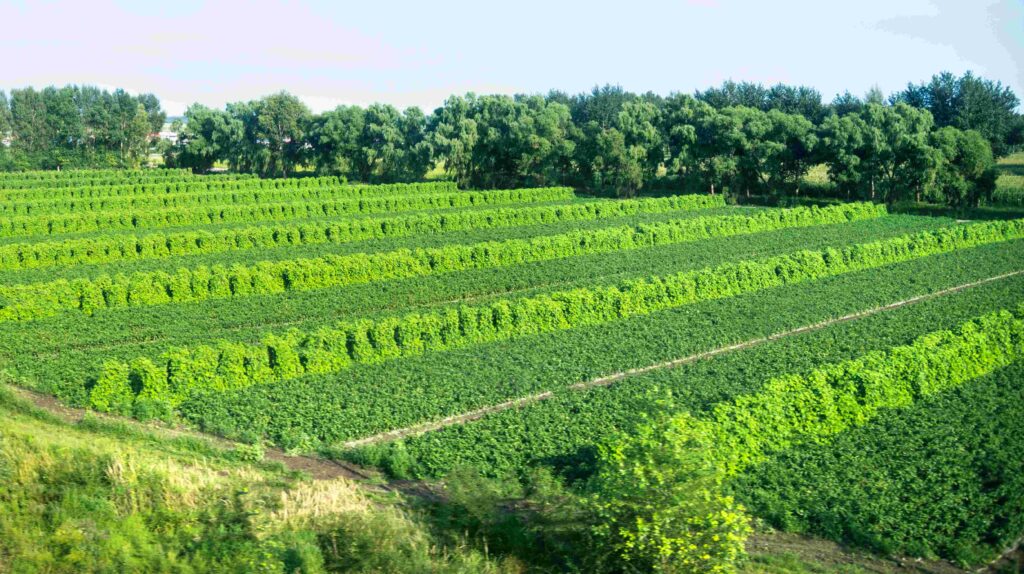
FoodChain ID’s Regenerative Farming Standard (RGN) provides a globally applicable, outcome-based framework for producers seeking to implement and scale sustainable agriculture systems. Built to strengthen soil health, enhance biodiversity and support climate resilience, this certification gives credibility to regenerative practices — without requiring organic conversion.
Foundational principles of Regenerative Farming Standard (RGN)
The Regenerative Farming Standard (RGN) is grounded in the core philosophy of regenerative agriculture, embracing principles that prioritize the restoration of soil health and natural ecosystems. These principles encourage enhance soil vitality, strengthen climate resilience, support biodiversity, protect natural resources and actively contribute to the transition toward sustainable land use and climate positive agriculture.


Soil Health & Water Stewardship
Farms are encouraged to minimize mechanical soil disturbance, maintain vegetative cover, and optimize both carbon retention and water infiltration. These practices build resilience against erosion and drought, while regenerating soil structure and fertility.

Biodiversity
Regenerative systems support life above and below ground. The Regenerative Farming Standard (RGN) promotes restoration of ecological zones, habitat preservation, and integration of beneficial species like pollinators, soil organisms and birds that contribute to a balanced farm ecosystem.

Climate & Nutrient Balance
Through careful input management and crop planning, the Regenerative Farming Standard (RGN) encourages reduced dependence on synthetic inputs, optimized nutrient cycling and practices that enhance carbon sequestration. This results in lower greenhouse gas emissions and healthiest and more productive landscapes.
“Unlocking” access to Carbon Markets
Regenerative Farming Standard (RGN) creates a foundation for participating in carbon markets. By implementing regenerative practices and demonstrating measurable environmental benefits, farms can unlock opportunities such as:

Verified carbon credits for both carbon removals and emission avoidance

Participation in Insetting programs with value chain partners

Eligibility for climate finance fundings to support the “green” transition
FoodChain ID is a fully accredited Validation and Verification Body (VVB) under ISO 14065:2020 and ISO/IEC 17029:2019, offering integrated services that combine Regenerative Farming Certification with the Validation and Verification of GHG mitigation Projects.
Why Regenerative Agriculture Matters?
As climate pressures intensify and regulations evolve, the food and agriculture sector must transition toward systems that restore ecosystems, reduce emissions, and improve productivity. Regenerative agriculture is a powerful tool to:

Enhance Soil Fertility
Increases organic matter and revitalizes degraded land.

Support Biodiversity
Restores habitats and encourages ecological balance.

Reduce Contaminants in Food
Healthier soils and fewer chemical inputs lead to cleaner, safer food production.

Sequester Carbon
By enhancing carbon removals, regenerative practices play a vital role in achieving your climate goal.

Build Climate Resilience
Improves drought resistance, reduces erosion, and strengthens farm adaptability.

Access Carbon Credit Markets
Enables farms to generate and monetize verified carbon credits.
What is the FoodChain ID Regenerative Farming Standard (RGN)?
The Regenerative Farming Standard (RGN) is an independent, science-based certification scheme based on ISO 17065 principles. It supports farmers across diverse geographies and production systems in adopting regenerative farming practices through a scalable, tiered approach. Certification Options:

Individual Producer Certification

Group Certification (cooperatives, supply programs)

Chain of Custody Certification (traceability to market)
Why Choose FoodChain ID
With 30+ years of sustainability leadership and 50,000+ verified clients worldwide, FoodChain ID is a trusted name in sustainability verification for the food system. We offer:
- Expertise in regenerative agriculture, soil science & emissions
- Integrated audits (Regenerative Organic – ROC, Organic, Non-GMO, Carbon)
- Global auditor network and science-led assessments
- Chain of custody traceability
We can combine RGN with other standards or certification schemes to provide audit flexibility.
Talk to an Expert
Certification Levels
The Regenerative Farming Standard (RGN) offers a progressive certification path designed to recognize and support continuous improvement in regenerative agriculture. Producers are awarded one of three certification levels based on the maturity and integration of regenerative practices on their operations. The levels of compliance include:
Under Conversion Status – For operations beginning their transition to regenerative agriculture that have not yet met baseline certification thresholds.
1st Level / Basic – Recognizes foundational implementation of regenerative practices aligned with the RGN standard.
2nd Level / Advanced – Reflects deeper integration of regenerative methods and monitoring across farm operations.
3rd Level / Expert – The highest level, awarded to farms demonstrating mature, comprehensive, and outcome-driven regenerative performance.
Certification level is assessed through a mix of on-farm audits and outcome tracking. The structure encourages farms to progress over time, aligning with the regenerative principle of continual improvement.
Examples of Regenerative Farming Standard (RGN) approved practices

Cover Cropping – Maintains living roots in the soil year-round to enhance structure and organic matter.

Crop Rotation – Reduces pest cycles, improves soil fertility, and supports microbial diversity.

Polyculture or Intercropping – Diversifies species grown together to mimic natural ecosystems and reduce input dependence.

Green Manure Application – Adds nutrients to the soil and enhances microbial activity through the use of cover crops.

Ecological and Biodiversity Areas – Dedicated zones to support pollinators, beneficial insects, and native flora and fauna.

Flowers and Honey Crops – Encourages pollinator presence and supports biodiversity and income diversification.

Use of Compost and Organic Amendments – Recycles biomass and boosts soil health while reducing external inputs.

No-Till or Minimum Tillage – Preserves soil structure, reduces erosion, and enhances carbon retention.
Regenerative Organic Certified®
Is your operation Organic and interested in going regenerative? FoodChain ID has it covered: have a look at FCID’s Regenerative Organic Certified® below!

Useful Links
We Are Here to Help
Start Your Regenerative Journey!
Ready to make your sustainability claims credible, transparent, and measurable?
Let’s accelerate your transition to regenerative agriculture and support your climate goals by working together to build a more regenerative future — rooted in credibility, integrity, and global impact.