

By Gul Basak Kiroglu, Regulatory Trends Product Manager
Ensure global compliance and faster product introductions with intuitive regulatory management using FoodChain ID’s Regulatory Assessment.
As consumers continue to seek a boost from energy drinks, regulators globally are scrutinizing the health implications, especially for children. Energy drinks are commonly characterized as non-alcoholic, psychoactive functional beverages containing stimulant compounds, such as caffeine, ginseng or guaraná. However, this characterization lacks legal force, as neither the European Union nor the United States (US) has established a harmonized regulatory definition or a distinct legal category for energy drinks. In both jurisdictions, these products are instead regulated under the general framework applicable to non-alcoholic beverages and, where relevant, dietary supplements.
United States: Are Energy Drinks a Supplement or a Food?
According to the US Food and Drug Administration’s (FDA) classification system, an energy drink can be either a dietary supplement or a beverage, each with different regulatory requirements.
As a Dietary Supplement: Many energy drinks are marketed as dietary supplements. In this case, they must comply with the Dietary Supplement Health and Education Act (DSHEA). Manufacturers are responsible for ensuring safety before marketing, and the FDA monitors adverse event reports and post-market safety.
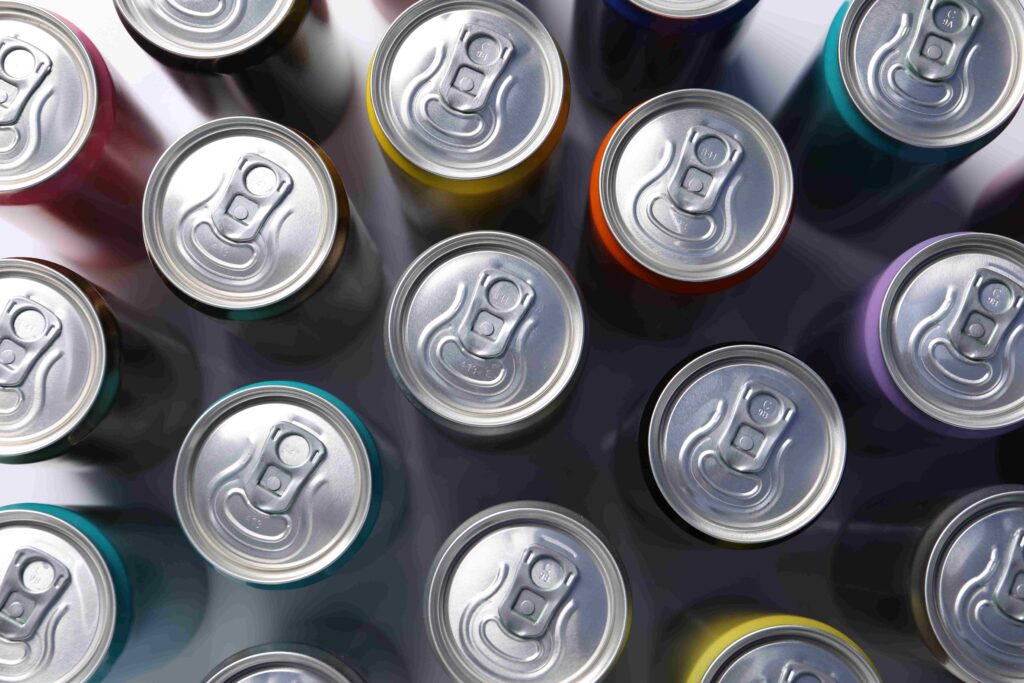
As a Conventional Beverage: If an energy drink is sold like a soda beverage (in cans, alongside soft drinks, for example), it falls under the category of conventional food. That means it must comply with FDA food regulations, including ingredient approval and labeling.
Health Concerns with Energy Drinks
Caffeine: A common ingredient in energy drinks, caffeine, can harm vulnerable consumers. For this reason, children and teens should not consume energy drinks.
Sugar: The negative health effects of sugar-containing energy drinks are referenced in the World Health Organization recommends for taxation along with other sugar-sweetened beverages to reduce their consumption and fight against non-communicable diseases, including cardiovascular diseases, cancer, chronic respiratory diseases and diabetes.
Global Regulatory Restrictions and Prohibitions of Energy Drinks
- In January 2025, Kazakhstan banned the sale of energy drinks to individuals under the age of 21 to safeguard their health.
- In January 2025, Armenia’s National Assembly approved amendments prohibiting the sale of energy drinks to individuals under 18 years. The legislation also includes advertising restrictions and administrative penalties for violations.
- A newly-published 10 Year Health Plan for the United Kingdom commits to banning the sale of high-caffeine energy drinks to children under 16.
- Public Health (Restriction on Sale of Stimulant Drinks to Children) Bill 2025 in Ireland was published in May to regulate the sale, advertisement or promotion of the use of stimulant drinks to children, to prohibit the sale of stimulant drinks to persons under 18 years of age, and to provide for health warnings on drink labeling to the general public regarding excessive consumption or use of stimulant drink products.
- Effective January 1, 2026, taxpayers will no longer be subsidizing the purchase of soda or energy drinks in the State of Nebraska.
- In Russia, published in April 2025, non-alcoholic beverages containing caffeine in quantities exceeding 150 mg/l (0.150 mg/dm3) must be labeled with the inscription “Not recommended for use by children under 18 years of age, during pregnancy and breastfeeding, as well as by persons suffering from increased nervous excitability, insomnia, arterial hypertension.”
- In Norway, a regulation that prohibits the marketing of unhealthy food and drinks that is particularly aimed at children has entered into force in April 2025. Among other topics, the government intends to protect all children up to the age of 18 with oversight by the Directorate of Health.
Rising health concerns and new global restrictions are reshaping the energy drink market. With tighter controls on sales, labeling and marketing, manufacturers face growing compliance demands and potential market access challenges, requiring proactive strategies to mitigate regulatory risks and safeguard growth.