

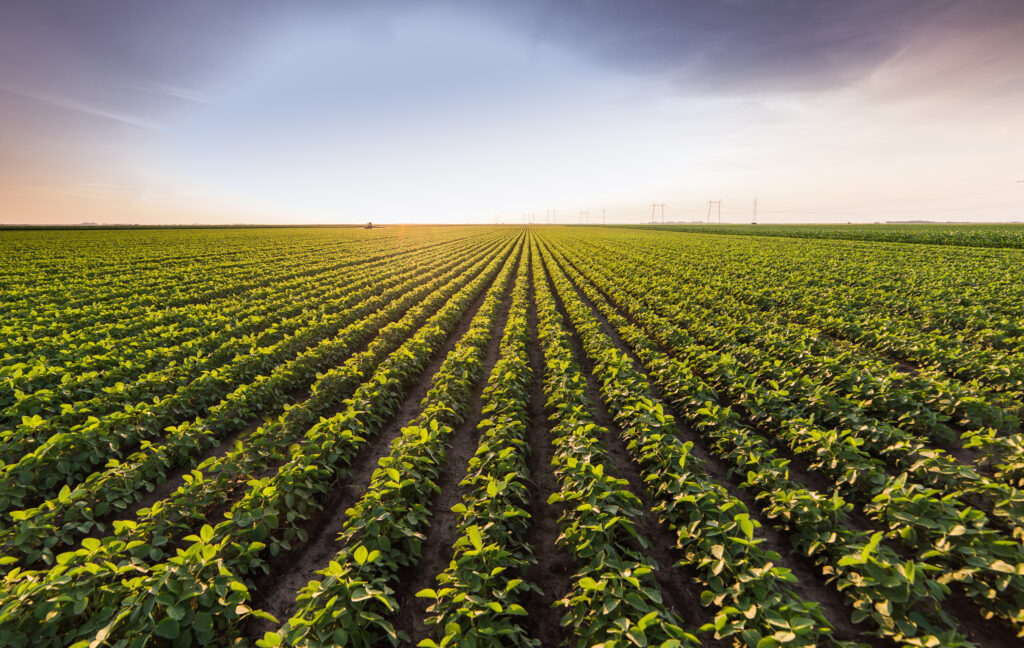
A practical guide for Feed Quality Managers preparing for audit season, this resource outlines a system-level approach to integrating EUDR requirements into existing feed safety and certification frameworks. Learn how to embed soy traceability into your QMS, align supplier documentation with certification scope, and strengthen change control before audit pressure escalates.
Soy traceability is rarely a documentation issue. It is a system architecture challenge. When sustainability declarations, supplier approvals, certification scope, and batch traceability are managed in parallel structures, fragmentation increases quietly. Audit findings rarely stem from missing paperwork — they stem from insufficient depth, disconnected controls, and inconsistent system logic. As sourcing complexity increases and EUDR expectations tighten, traceability must move from “documented” to demonstrable. This guide outlines a practical, system-level framework to help you:
- Clarify traceability intent before adding new documentation
- Align EUDR due diligence with GMP+, FCA, ISO 22000, and related schemes
- Strengthen batch-level traceability for high-risk soy inputs
- Standardize change control to prevent recurring fragmentation across sites
- Pressure-test traceability depth before audit and regulatory scrutiny intensifies
Built on aggregated audit observations across feed certification schemes, this guide provides structured, audit-safe insight — not theoretical commentary. Complete the form below to download the guide and pressure-test your soy traceability framework before peak audit season.