

Prepare for global compliance and faster product introductions with Regulatory Assessment.
By Gul Basak Kiroglu, Regulatory Trends Product Manager
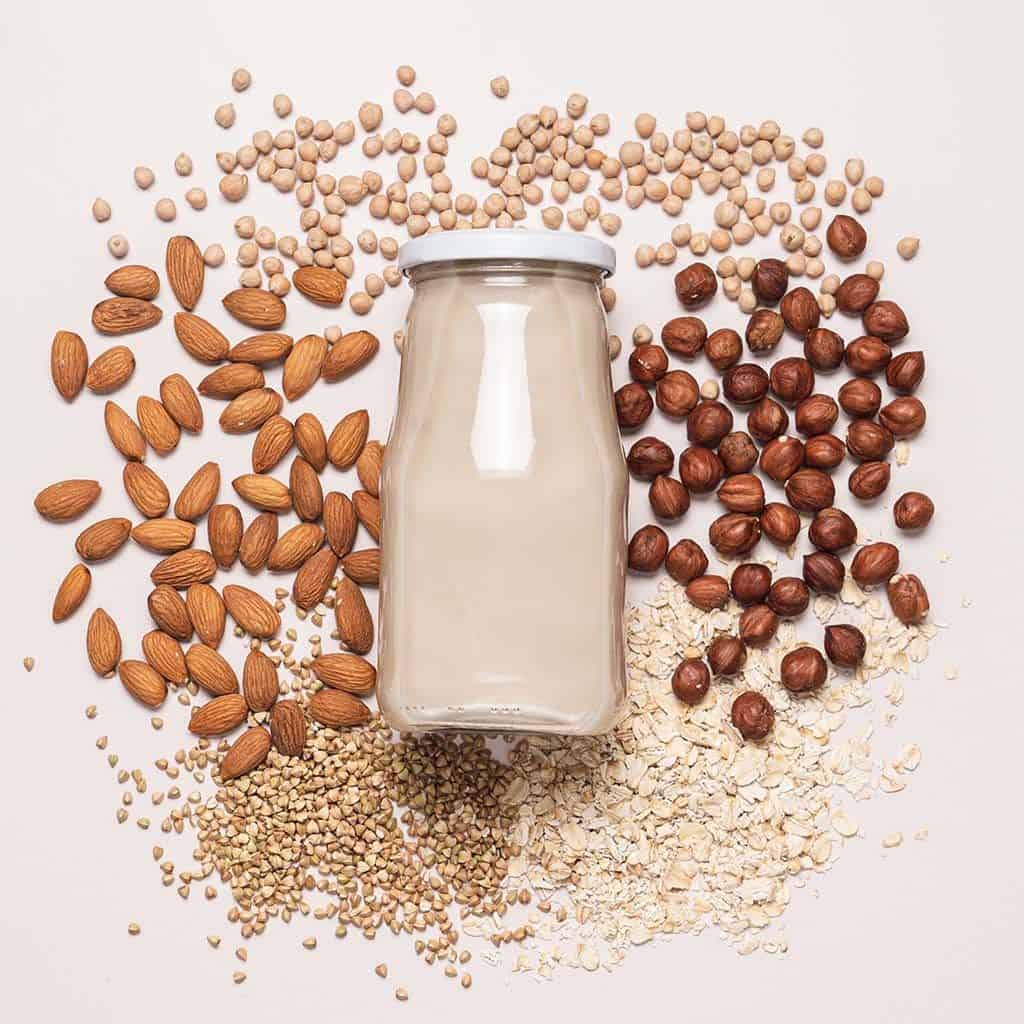
What defines a vegetarian burger? Is almond “milk” an approved term? The answer depends largely on the country of purchase. Around the world, food manufacturers must label and market plant-based products in a way that is compliant with existing regulations.
Plant-Based Milk Labels in the United States
In the United States, milk is regulated under a Standard of Identity. The Dairy Pride Act, introduced in the Senate on July 29, 2025, remains in Congressional committee. The bill seeks to require the Food and Drug Administration (FDA) to enforce existing standards of identity for dairy products. Its goal is to prevent plant-based alternatives from being marketed using traditional dairy terms such as “milk” or “yogurt.” If enacted, the legislation would significantly affect labeling practices for plant-based beverages and dairy alternatives, requiring producers to adjust marketing language and packaging to align with stricter definitions.
Plant-Based Meat Labels in the European Union
Across the Atlantic, in October the European Parliament voted to restrict the use of meat-related terms (such as burger, sausage or steak) for plant-based products. A 2024 ruling by the Court of Justice of the European Union (CJEU) determined that Member States cannot independently impose such bans unless the terms are explicitly reserved by law. The new parliamentary proposal will undergo interinstitutional negotiations with the European Commission and the Council before any decision is finalized. While existing EU regulations already prohibit dairy-related terms like “milk” and “yogurt” for non-dairy products, the rules for meat-related terminology remain under debate.
In the Netherlands, regulatory guidance remains relatively permissive. A recent notice from the Dutch Food and Consumer Product Safety Authority clarified that terms such as “sausage,” “burger” and “schnitzel” are not legally reserved. They may be used for vegetarian or vegan products, provided that the plant-based nature of the product is clearly indicated. This approach emphasizes market transparency while allowing flexibility in marketing, a balance many in the industry see as a pragmatic model.
Food Labels Supported by Product Certification
Although there is no globally standardized definition of “plant-based,” the term is not the same as “vegan,” which implies no animal-derived ingredients.
In North America, FoodChain ID offers BeVeg Vegan Certification, the only ISO 17065 and 17067 accredited vegan trademark, and the only vegan certification standard with animal allergen controls.
For the European market, Bioagricert has developed a certification scheme dedicated to vegetarian, vegan and plant-based products.
Next Steps in Plant-Based Labels for Food and Beverage Manufacturers
As the plant-based sector continues to expand, clarity and compliance in labeling and terminology will be essential for building consumer trust and mitigating legal risk.
Food and beverage companies should:
- Stay informed about regulatory developments for their product portfolios with tools such as Regulatory Assessment.
- Protect brand reputation with second party product certifications.
- Align product names and front‑of‑pack descriptors with US and EU market expectations.