
We Guide You Through The Process
5 Steps to Delivering Safe, Quality Products
Step 1
Unify Product and Quality Data
Unify product, supplier, quality and compliance data in one trusted view.
Step 2
Catch Risks Earlier in Development
Catch formulation, packaging and compliance risks earlier in development.
Step 3
Strengthen Safety Through Testing
Use testing to confirm safety, quality and critical product requirements.
Step 4
Build Audit-Ready Quality Systems
Standardize workflows and documentation to support audits and prove control.
Step 5
Demonstrate Quality Through Certification
Increase customer trust by obtaining certifications based on independent measurement.
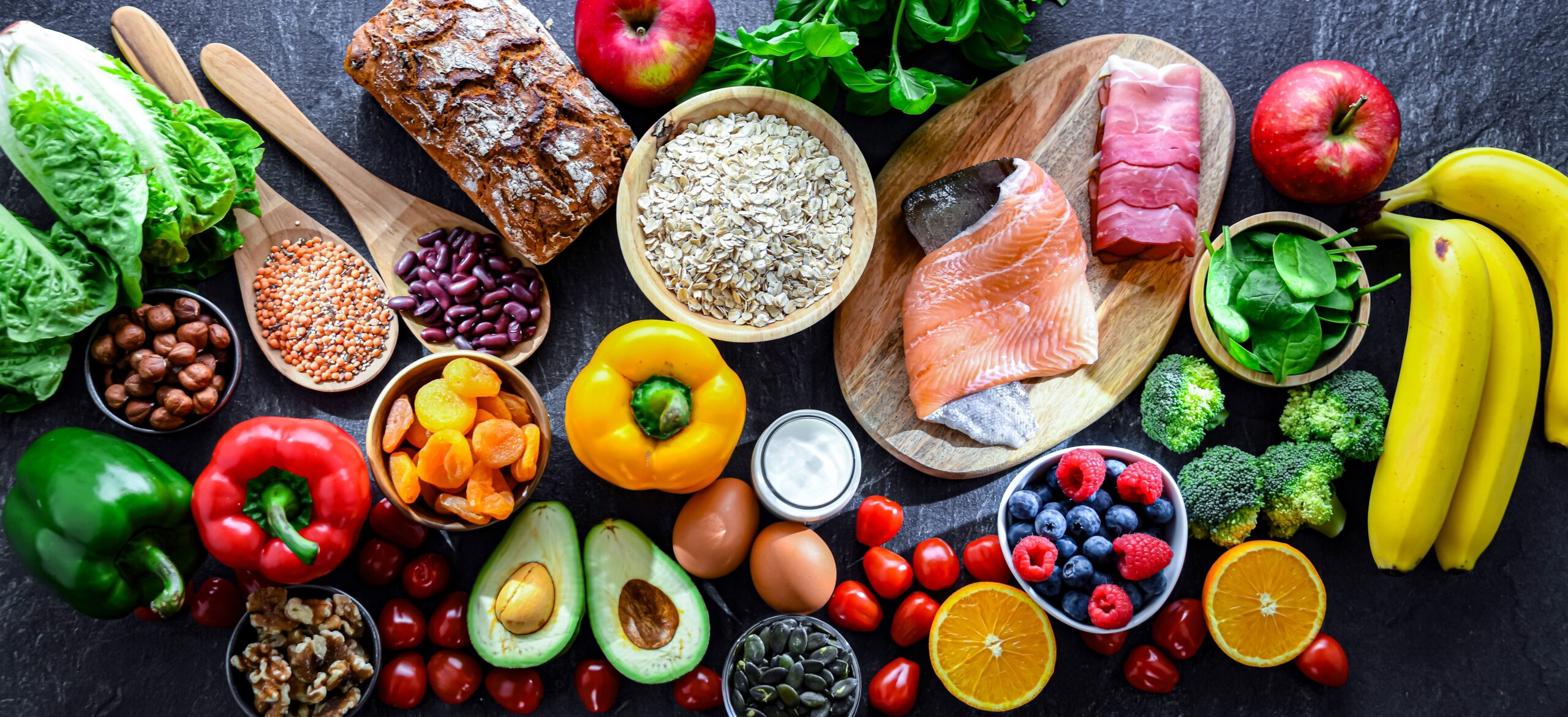
QUALITY & FOOD SAFETY
“We have fragmented quality assurance processes across different plants.”
Maintaining consistent quality across plants can be resource-intensive. Save your team’s time by bringing in accredited testing support or expert certification help.
Solution
Strengthen testing and audit-ready quality systems.
Simplify audits
Standardize audit preparation and use an external partner that supports recognized standards
Get expert help with GFSI CertificationImprove testing confidence
Use accredited testing support for contaminants, allergens, species and other critical risks
Get Testing ServicesReduce manual monitoring
Proactively monitor ingredient safety risks across your supply chain.
Get risk alerts from HorizonScanManage packaging risk
Predict packaging compliance before laboratory testing
Decrease risk with Packaging Migration ModelingPRODUCT DEVELOPMENT
“We can’t afford late-stage surprises in claims, specs or product safety.”
Too often product releases get delayed due to issues discovered late. Avoid these surprises by building in checkpoints early in the development process. Tools like Recipes & Specifications and Formulation for PLM integrate regulatory compliance checks while you formulate.
Solution:
Build validation, packaging and compliance checks into development earlier.
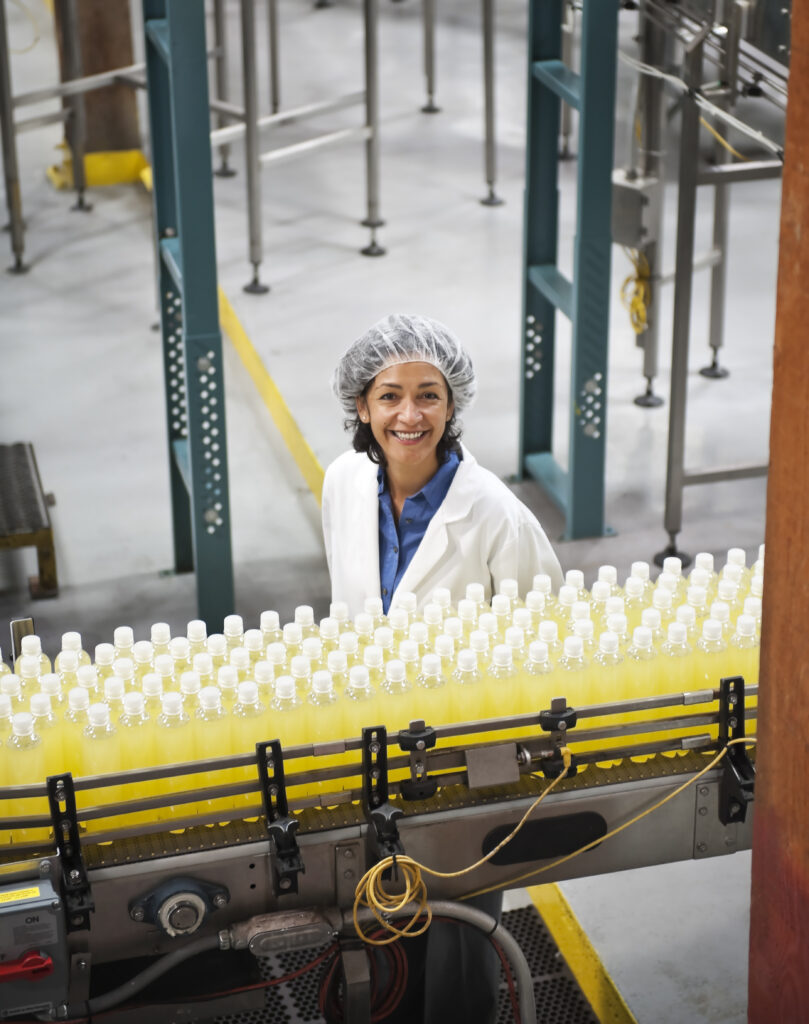
Align specs earlier
Get formulation, specifications and approval criteria aligned earlier so teams catch issues before launch

Validate sooner
Build quality and compliance checks into development instead of waiting until final review
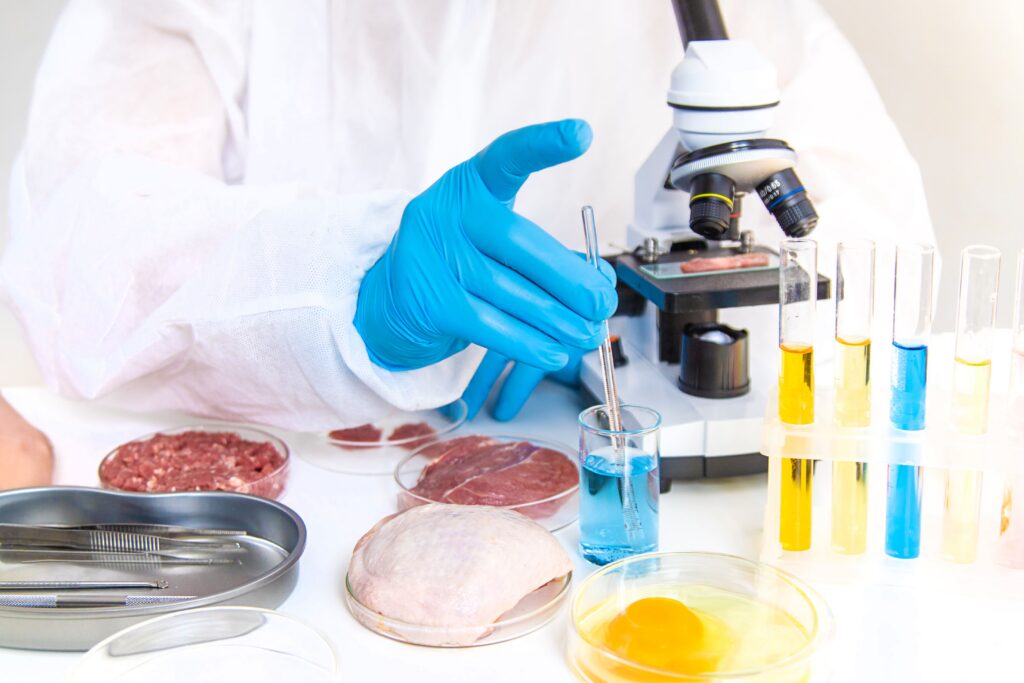
Add product testing
Use accredited lab testing earlier before ingredients, contaminants, allergens, species or other risks create late surprises
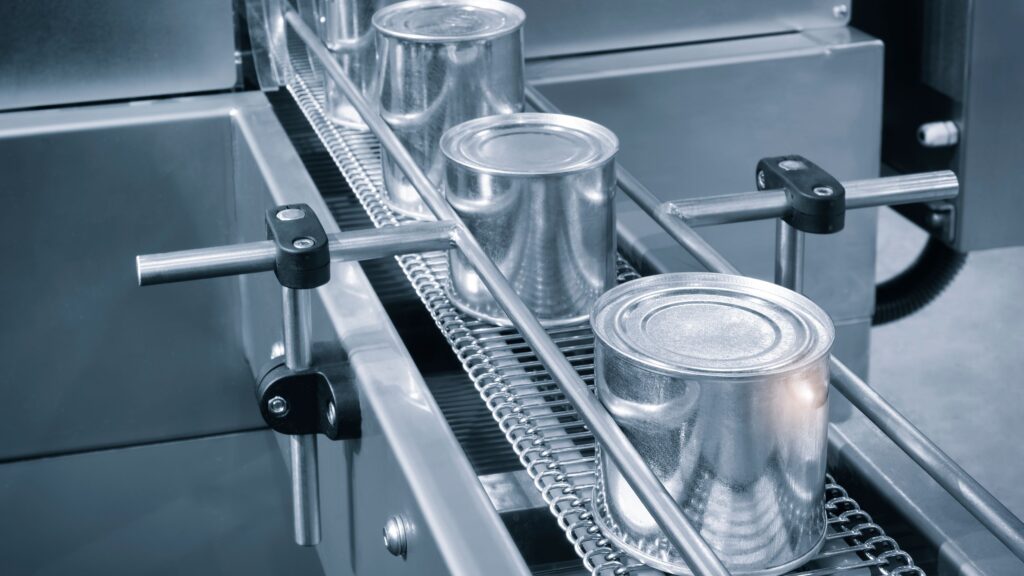
Check packaging sooner
Treat packaging and food-contact risk as part of product development, not a downstream handoff
REGULATORY
“Keeping up with change is hard — turning it into defensible guidance is harder.”
Regulatory experts are under constant pressure to stay on top of changing regulations. Remove the manual effort and use systems that track emerging issues. Screen your recipes against regulations and make better informed decisions.
Solution
Turn changing requirements, packaging risk and product impact into defensible decisions.
Centralize regulatory intel
Use one trusted regulatory source instead of scattered manual review
Get answers quickly with Regulatory LibraryMonitor change earlier
Track emerging issues proactively so the business is not reacting late
Get notified with Regulatory TrendsAssess impact by product
Move from general monitoring to product-level assessment
Check your products with Regulatory AssessmentCertify packaging safety
Add a packaging-specific assurance layer where food-contact risk is high
Get certified with PackSafeProduct Safety Hub


FAQ
The key is to align teams around the same formulation, specification, and approval criteria earlier, not to add more meetings or more gates. When teams are reviewing the same data at the right points in development, issues are caught sooner and there is less back-and-forth later. FoodChain ID’s product development solutions are designed around that approach, with Recipes & Specifications creating a shared source of truth, Formulation for PLM supporting structured validation, and Mentor embedding guidance directly in the workflow to reduce rework and bottlenecks.
Start with the workflows that create the most risk or the most repeated effort: traceability records, CAPA documentation, certification evidence, and recurring audit preparation tasks. Standardizing those first gives teams a stronger baseline without trying to overhaul everything at once.
FoodChain ID’s global certification systems are built to help organizations navigate food safety and quality standards, while account managers streamline documentation tracking and reduce certificate process burden across programs and sites.
The strongest answer is one that clearly distinguishes what is known, what is still evolving, and what the likely product impact is today. That gives the business practical direction without overstating certainty, and it leaves a defensible rationale behind the decision if it needs to be revisited later. FoodChain ID supports that approach with regulatory tools for compliance analysis and product-level assessment, packaging compliance tools for food-contact risk, and consulting support when teams need deeper expertise on fast-moving or ambiguous issues.
Quality management systems help companies standardize processes, documentation and quality controls across operations. They are important for food safety because they improve consistency, support compliance and reduce risks that can impact product quality and consumer trust. Organizations often strengthen these systems through accredited certification programs that provide independent verification of compliance and operational performance.
Food safety compliance helps companies meet regulatory and customer requirements while maintaining consistent product quality. Strong compliance practices reduce risk, support safer products and build consumer confidence in food brands and supply chains. Companies can strengthen compliance programs through tools such as Regulatory Assessment, which help evaluate requirements, identify gaps and support informed compliance decisions.
Ready to Deliver Safe, Quality Products?
Our team will reach out to schedule a consultation.