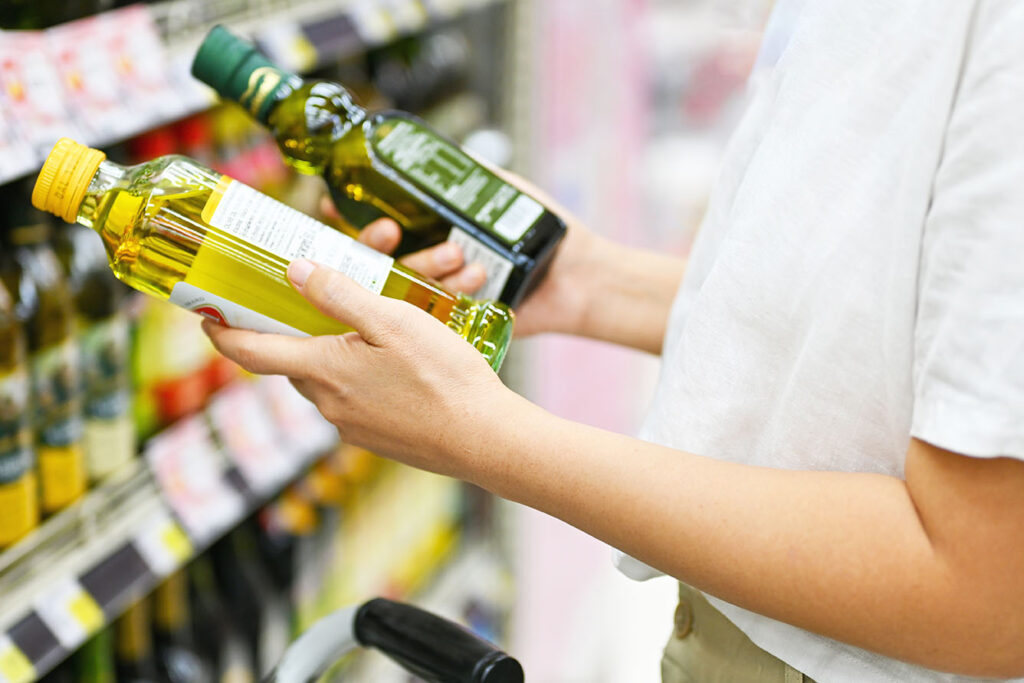
Choose the Right Certification
Compare options that support claims, formulation decisions and market-specific requirements.
USDA Organic Certification
Organic certification support for products and ingredients sold into the U.S. market
EU Organic Certification
Organic certification for operators serving EU markets with market-specific documentation needs
India Organic Certification
Organic certification for India (NPOP) to support market access and predictable certification
Non-GMO Certification
Certification supporting traceability and non-GMO claims across products and ingredients
Non-GMO Project Verification
Verification support for teams seeking one of the most recognized non-GMO label claims in market
Non-Ultraprocessed Food Verification
Transparent, evidence-based verification for food processing
Gluten-Free, Plant-Based, BeVeg Vegan and Regional Food Claims
Certification for specific product attributes or regions
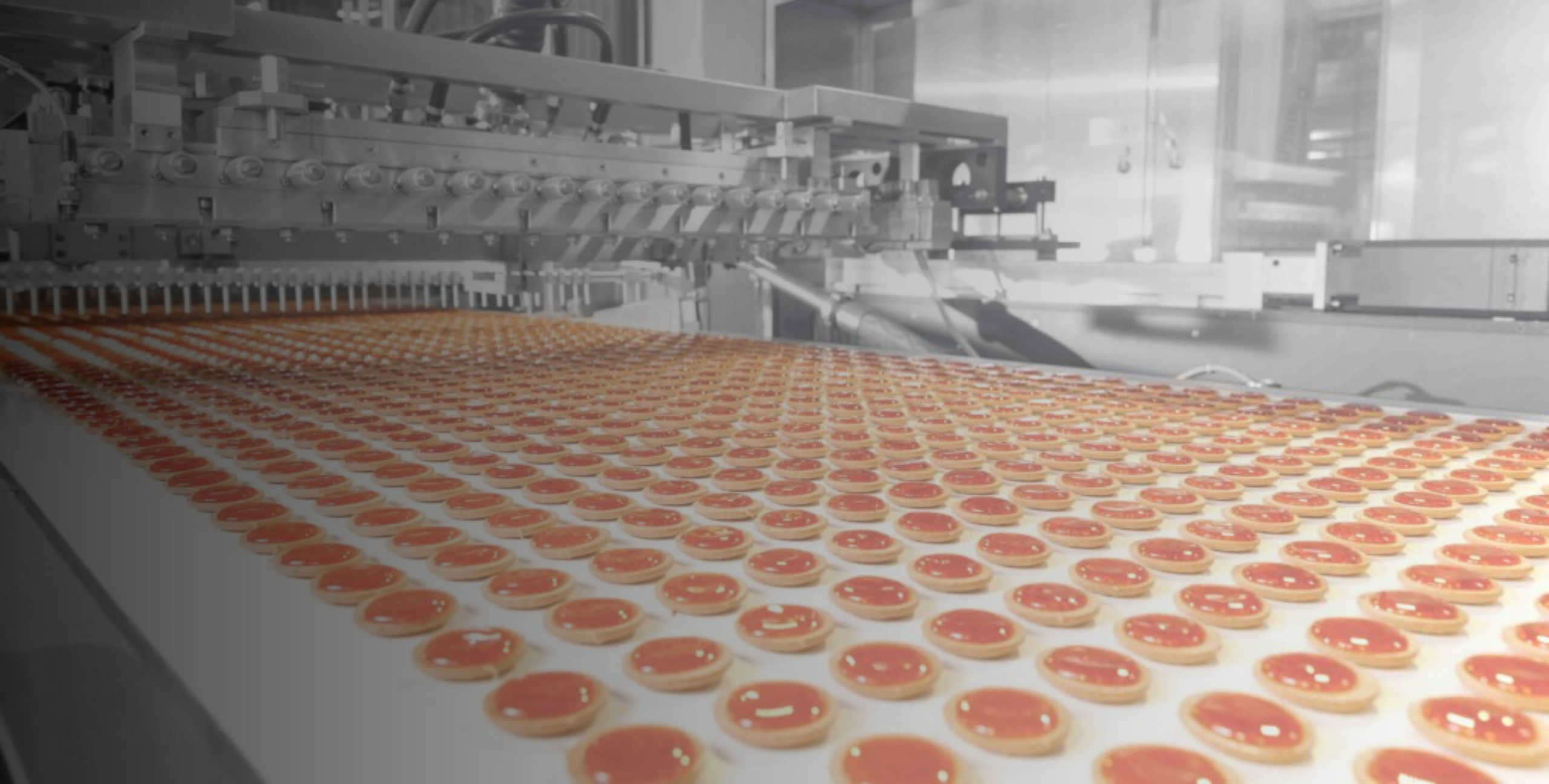
Support product claims with clearer certification pathways
Better alignment for labels and ingredients
45K+
organic clients certified each year
100+
countries served worldwide
How it Works
Work with FoodChain ID from Scope to Renewal
Step 1
Start with a scope review
Clarify which certification fits the product concept, target market and label strategy.
Step 2
Confirm program and next steps
Align on certification approach, timing and expected documentation before the process begins.
Step 3
Complete onboarding and data setup
Submit product, ingredient, supplier, facility and label information to SupplyTrak®.
Step 4
Move through technical evaluation
FoodChain ID reviews your information, identifies gaps and guides resolution of open items.
Step 5
Finalize certification and renew
Once approved, maintain certification more efficiently as products, suppliers or claims evolve.
Supporting a Streamlined Certification Experience
Align Claim Needs Across Teams
How do we know if a claim is realistic during product development?
FoodChain ID helps teams evaluate certification paths earlier, so claim feasibility, ingredient choices and documentation needs are clearer before launch plans finalize.
Talk to an ExpertRegulatory review takes too long because evidence is spread across suppliers, specs and internal documents.
FoodChain ID supports a structured certification process that helps regulatory teams access the records and supporting information needed to substantiate claims with less manual reconciliation.
Talk to an ExpertWe want to add claims like organic, vegan or gluten-free without creating a new process each time.
Access a broad certification portfolio via a single partner, allowing your teams to build a repeatable approach as product claims expand across categories and markets.
Talk to an ExpertWe need claim decisions that will hold up under customer, retailer and market scrutiny.
With expertise across multiple certification schemes, FoodChain ID helps teams make more defensible claim decisions and prepare stronger support for external review.
Talk to an ExpertLearn More About Product Certification
ORGANIC
Understand recent global efforts to enhance the integrity of organic labeling.
PLANT BASED
Cultivating Trust in Plant-Based Foods
Can aligning with rigorous standards amplify brand credibility? Learn in our webinar.
FAQ
FoodChain ID offers a broad range of options including USDA Organic, EU Organic, Non-GMO Certification, Non-GMO Project Verification, Plant-Based and Vegan Certification, Gluten-Free Certification, PDO/PGI/TSG and Non-UPF Verification.
It reduces fragmentation across programs, making it easier to compare requirements, manage documentation and support multiple claims with greater consistency. FoodChain ID’s proprietary database SupplyTrak® can support multiple claims across products, saving your team time and resources. This can be particularly valuable for organizations managing multiple food certifications and claims across product portfolios.
Food product certification evaluates ingredients, processes and documentation to confirm a product meets specific standards or claims. It typically involves assessment, testing and independent evaluation steps.
Food certification is a process that verifies a product meets defined standards for safety, quality and labeling. It is important because it builds consumer trust, supports compliance and enables access to global markets. Certifications such as USDA Organic and Non-GMO Project Verification help companies demonstrate compliance with recognized product standards.
Food certification confirms compliance with a defined standard through a formal certification process, while food verification validates specific claims or attributes without full certification. Examples of verification programs include sustainability verification, which focuses on validating specific claims, data, or practices rather than certifying against a complete standard.
Request a Consultation
Our team will reach out to discuss your product certification needs.