Table Of Contents
- ROC certification through an approved certifier
- Turn regenerative goals into verified practice
- Understand what ROC certification covers
- Understand ROC requirements before you apply
- Benefits of our Platform
- Connect ROC with broader certification needs
- FAQ
- Join global leaders already using ROC to prove their regenerative commitment
- Request a consultation
ROC certification through an approved certifier
Built on verified organic foundations: overseen by Regenerative Organic Alliance (ROA). Certified by Bioagricert, a FoodChain ID company.

3
core certification pillars
3
progressive certification levels
How certification works
Turn regenerative goals into verified practice
Step 1
Define the certification scope
Align your scope with ROA requirements and confirm eligibility with Bioagricert
Step 2
Confirm the organic baseline
Verify that the operation holds an eligible organic certification before ROC assessment
Step 3
Prepare across all three pillars
Organise practices and evidence for soil health, animal welfare, and social fairness
Step 4
Complete the certification audit
Bioagricert independently assesses practices, records, and controls against ROC requirements
Step 5
Maintain and advance certification
Use annual recertification and tiered levels to show continued progress over time
Understand what ROC certification covers
Soil Health & Land
ROC builds on organic certification with requirements that support soil health, biodiversity, water stewardship, and resilient land management. The assessment considers both implemented practices and the records used to demonstrate consistent application across the certified scope.
Read More
Requirements may include crop rotation, cover crops, composting, reduced tillage, erosion controls, biodiversity protection, soil testing, and a documented Regenerative Organic System Plan. Exact criteria depend on the current ROC framework, certification level, and operation.
Animal Welfare
Where commercial livestock is in scope, ROC adds animal welfare requirements designed around humane care, living conditions, transport, and handling. This pillar helps operations connect organic livestock controls with independently assessed welfare expectations.
Read more
Animal welfare requirements apply where relevant to the operation and product scope. Evidence may cover housing, access to pasture, feed, health management, transport, handling, and slaughter. Applicable baseline certifications and exemptions must be confirmed against current ROC rules.
Social Fairness
ROC includes requirements for farmer and worker fairness, helping operations demonstrate that regenerative outcomes extend beyond environmental practices. The assessment reviews employment conditions, rights, communication, and fair treatment across the certified farm scope.
Read more
Evidence may include policies, contracts, wages and working hours, grievance channels, freedom of association, health and safety controls, and worker interviews. Requirements vary by geography and certification level and should be checked against the current framework.
Certification Levels
Bronze, Silver, and Gold recognise different levels of adoption and provide a structured route for continuous improvement. The levels increase the proportion of the operation covered and the scope of required regenerative organic practices.
Read More
Bronze begins with at least 10% of eligible land or revenue in scope and progresses to at least 50% by year five. Silver begins at 50% and progresses to 75% by year five. Gold requires 100%. Confirm these thresholds against the current ROC framework before publication.
Eligibility & Coverage
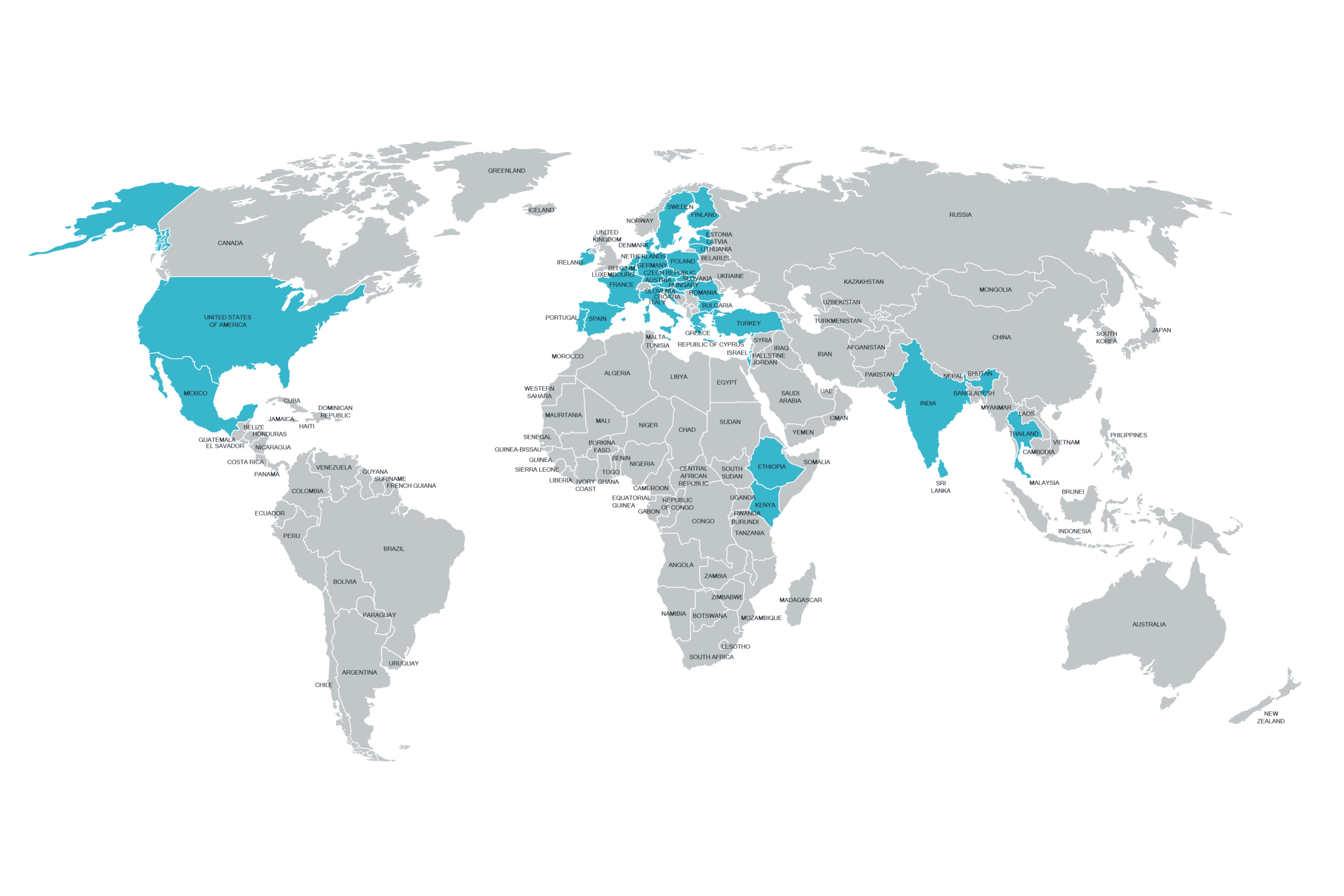
ROC builds on an approved organic certification. Eligibility depends on the operation, geography, product, production system, baseline certification, and current ROC requirements. FoodChain ID can help confirm whether your scope is eligible and whether approved audit support is available in your region.
Read More
ROC is available to operations that hold an approved organic certification and meet the requirements of the current ROC framework. Eligibility depends on the country, certification scope, product, production system, and organic baseline. FoodChain ID supports certification in regions where approved audit capability is available. Contact our team to confirm eligibility, accepted organic certifications, and local coverage before beginning the application process.
Understand ROC requirements before you apply
Our on-demand webinar help you understand how the three pillars, Bronze, Silver, and Gold levels, and organic baseline work together in the certification process.


Bronze
Start with 10% certified land or revenue

Silver
50% certified at start, 75% in 5 years

Gold
100% certified from the outset
How We Help Your projects
Benefits of our Platform
Three-pillar regenerative organic framework
Connects environmental, animal, and social evidence
Regenerative claims assessed in separate silos
Approved organic certification as the baseline
Builds on controls already established for organic
Parallel systems that duplicate existing evidence
Bronze, Silver, and Gold certification levels
Creates a structured route for measurable progress
All-or-nothing regenerative expectations
Approved ROC certification by Bioagricert, a FoodChain ID company
Provides independent assessment against ROA requirements
Evidence that is difficult to defend externally
Global support with experienced local auditors
Improves consistency across regions and suppliers
Variable interpretation across sourcing markets
Audit integration with compatible certifications
Reduces duplication across overlapping assessments
Repeated audits and fragmented certification plans
Extend your capabilities
Connect ROC with broader certification needs
Coordinate organic, social, and regenerative assurance to reduce fragmented evidence and repeated audit planning.


FAQ
Regenerative Organic Certified® is a certification programme overseen by the Regenerative Organic Alliance. It builds on an approved organic baseline and adds requirements across soil health and land management, animal welfare where applicable, and social fairness.
Yes. ROC builds on an approved organic certification. The accepted baseline depends on geography and current ROC requirements, so eligibility should be confirmed before the certification scope is finalised.
The three levels recognise increasing adoption of regenerative organic practices and a larger proportion of the operation in scope. Bronze is the entry level, Silver represents broader adoption, and Gold is the highest level.
Animal welfare requirements apply when commercial livestock is part of the operation or certified product scope. Applicability, recognised baseline certifications, and any exemptions are confirmed during scoping.
In some cases, FoodChain ID can coordinate compatible audits to reduce duplicated preparation and disruption. Feasibility depends on the schemes, locations, audit cycles, and approved certification requirements.
Use the live coverage map on this page, then speak with FoodChain ID to confirm the accepted organic baseline, regional availability, product scope, and applicable ROC requirements.
The Regenerative Organic Alliance owns and oversees the Regenerative Organic Certified® programme and its requirements. Bioagricert, a FoodChain ID company, is an approved ROC certifier that assesses eligible operations and issues certification within its approved scope.
Get Support from Our Experts

Laura Misani
Head of ESG Department, Bioagricert (A Foodchain ID Company)
Life Cycle Assessment | Carbon Footprint | Regenerative Agriculture

Marialena Kanellopoulou
Head of Sustainability & System Certification, Cosmocert SA (A Foodchain ID Compnay)
Certification | Verification | Regenerative Agriculture Certification

Reinaldo Rodrigues
Certification Manager, Brazil
Crop Sustainability | Environnment Certification | Carbon Credit Verification

Willima Filho, PhD
Corporate Sustainability Manager
Animal Scientist | Regenerative Grazing Systems | Corporate ESG Targets
Join global leaders already using ROC to prove their regenerative commitment